Climate first / Field notes
Match the berry to the winter.
A winter can be mild enough for a plant to survive, yet too warm for it to fruit well. Hardiness and winter chill answer different questions.
Research-based guide · Original notes checked September 5, 2026
Planning reference reviewed September 6.
About the research and AI assistance
The planning reference
Four candidates. Different compromises.
Field guide / 2026
Source-led, region-aware
Swipe or scroll the table to see every column →
Read these as attributed estimates, not a ranking from easiest to hardest. A lower number does not resolve spring frost, summer heat or water quality.
| Cultivar | Winter chill | Mature height | The decision to resolve |
|---|---|---|---|
| Sunshine Blue ↗Southern highbush | 150-300 hoursNursery estimate ↗ | 3-4 ftNursery dimensions ↗ | A compact option; allow for pruning and crop management. |
| Misty ↗Southern highbush | 300 hoursNursery estimate ↗ | 6-8 ftNursery dimensions ↗ | A taller plant. Check local early-bloom frost exposure. |
| O’Neal ↗Southern highbush | 500-600 hoursNursery estimate ↗ UC lists 200-300 hours. Regional account ↗ | 4-6 ftNursery dimensions ↗ | Resolve conflicting chill estimates before relying on either. |
| Jubilee ↗Southern highbush | 400-500 hoursNursery estimate ↗ | 4-6 ftNursery dimensions ↗ | Container support does not make its full-size footprint dwarf. |
Ask for local performance at your estimated chill level, using the same chill model. Bring your town, planting situation and these source differences to the conversation. Work through the buying checklist ↗
01
What the zone number actually says
USDA hardiness zones describe the average annual extreme minimum winter temperature. They do not directly measure a season’s accumulated chill, summer heat, soil conditions or spring frost exposure.
Use the catalogue’s zone filter as an initial screen. Never interpret the remaining results as a finished recommendation for your address.
02
Read chill hours as an attributed estimate
Mississippi State explains that cultivars have different chilling requirements and connects those requirements to regional suitability. Chill-hour models and published estimates need context, so check which local guidance applies.
Our nursery-sourced shortlist ranges from Sunshine Blue at 150–300 hours through Misty at 300, Jubilee at 400–500 and O’Neal at 500–600. These figures are not measurements from a single comparative trial.
Sources: Mississippi State: Establishment and maintenance of blueberries ↗Stark Bro’s: Sunshine Blue blueberry ↗Stark Bro’s: Misty blueberry ↗Stark Bro’s: Jubilee blueberry ↗Stark Bro’s: O’Neal blueberry ↗
03
Lower is not automatically better
The aim is a fit, not the smallest number. Georgia Extension notes that species choice changes across Georgia itself; its advice for the coastal region is not the same as for the mountains.
Treat the variety name, local winter pattern and spring conditions as one decision. A low-chill plant that flowers during a local frost window may be a poor tradeoff.
04
Narrow the shortlist by space
If a locally suitable low-chill plant is established, compare its footprint next. Sunshine Blue is listed at 3–4 feet, while Misty is listed at 6–8 feet tall. O’Neal and Jubilee occupy a middle range.
A clear shortlist might be two plants that both fit your climate, followed by a choice about picking access, available room and pollination. Do not choose a climate mismatch solely because it fits a handsome pot.
Sources: Stark Bro’s: Sunshine Blue blueberry ↗Stark Bro’s: Misty blueberry ↗Stark Bro’s: O’Neal blueberry ↗Stark Bro’s: Jubilee blueberry ↗
Use this guide locally.
These are planning notes, not a promise of performance. Follow the original sources for their full regional context, and check advice from your local extension service before planting.
How we choose and interpret sources ↗Put the reading to work
Explore the varieties.
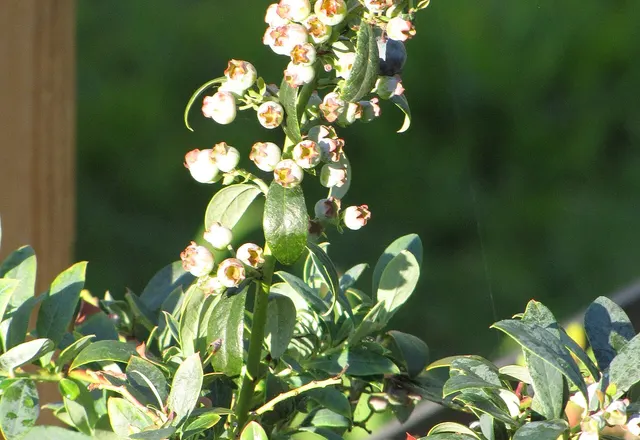
Sunshine Blue
A compact container option
- USDA zones
- 5–10
- Height
- 3-4 ft
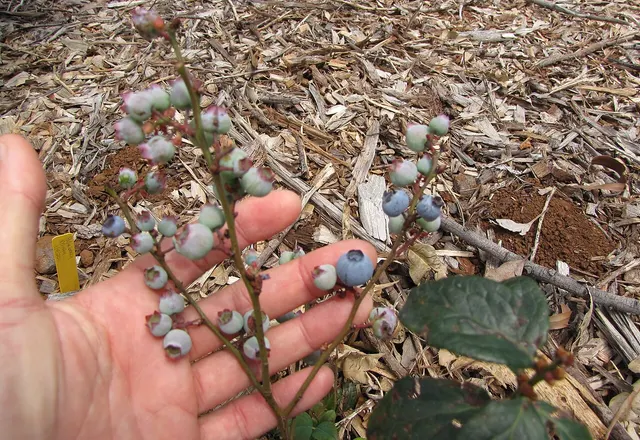
Misty
Low chill, taller growth
- USDA zones
- 5–10
- Height
- 6-8 ft
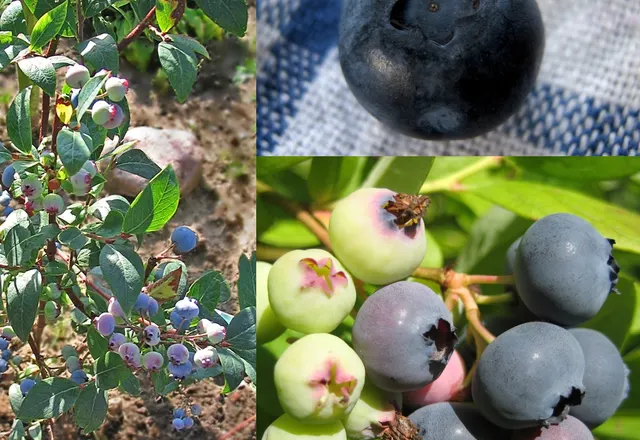
O’Neal
Large fruit for milder winters
- USDA zones
- 5–9
- Height
- 4-6 ft
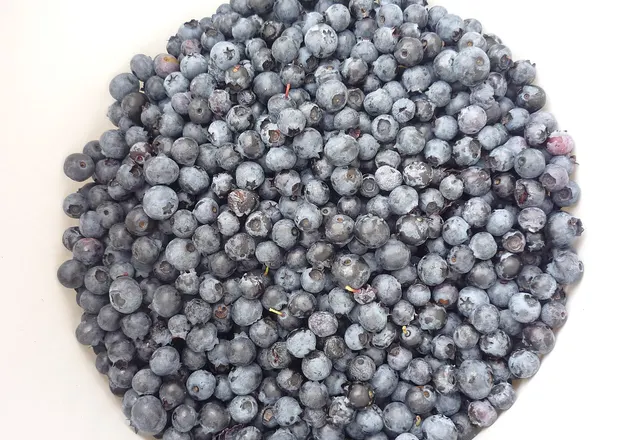
Jubilee
Fruit and seasonal foliage
- USDA zones
- 5–9
- Height
- 4-6 ft