Start here / Field notes
Your first blueberry, thoughtfully chosen.
There is no single best blueberry. There is a better-informed choice for a particular garden, and a few checks that make it easier to find.
Research-based guide · Original notes checked September 5, 2026
About the research and AI assistance
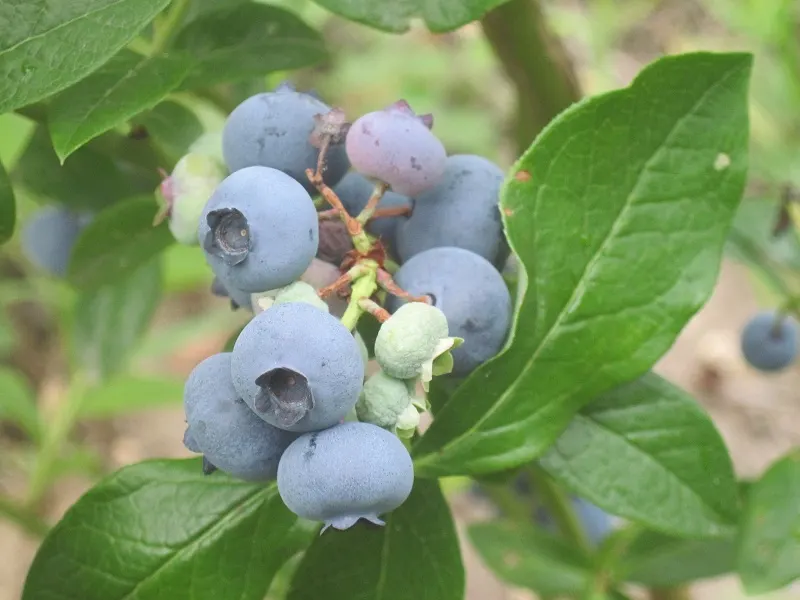
01
Resolve the constraints in the right order
Write down where the plant will live before opening nursery catalogues: location, growing space, soil-test status, water access and how much routine care you can give.
Then compare climate suitability, root environment, mature size, pollination and harvest preference, in that order. Flavor is worth caring about; it becomes a useful deciding factor once both candidates can plausibly grow well.
02
Buy a named plant, not a promise
The label should identify the cultivar. Check whether the listing describes a young starter, a larger container plant or a bare-root plant; the shipping pot size is not the shrub’s eventual footprint.
Ask about shipping restrictions, delivery timing, plant condition on arrival and replacement terms. We link to nurseries for you to verify those details directly, not to imply that a listing is in stock or endorsed by a university.
03
Plan for establishment
Minnesota Extension warns that substantial harvests take time: the first two or three years are not a preview of a mature plant’s full crop. Think of this as establishing a long-lived shrub, not buying an instant fruit subscription.
Start with an arrangement you can maintain comfortably. Good access to water and space to reach both sides can matter more in everyday use than a minor difference in a catalogue’s fruit-size description.
Sources: University of Minnesota: Growing blueberries in the home garden ↗
04
A decision you can explain
- This cultivar fits our local winter and spring conditions.
- We can provide suitable soil or a properly managed container.
- We have measured space for the mature shrub.
- We have a locally supported pollination plan.
- Its harvest pattern fits how we want to use the fruit.
- We understand the nursery’s delivery and replacement terms.
Use this guide locally.
These are planning notes, not a promise of performance. Follow the original sources for their full regional context, and check advice from your local extension service before planting.
How we choose and interpret sources ↗Put the reading to work
Explore the varieties.
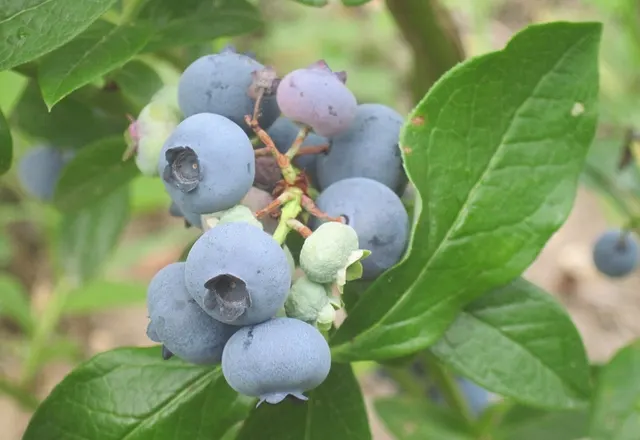
Patriot
Cold-climate, early fruit
- USDA zones
- 3–7
- Height
- 3-5 ft
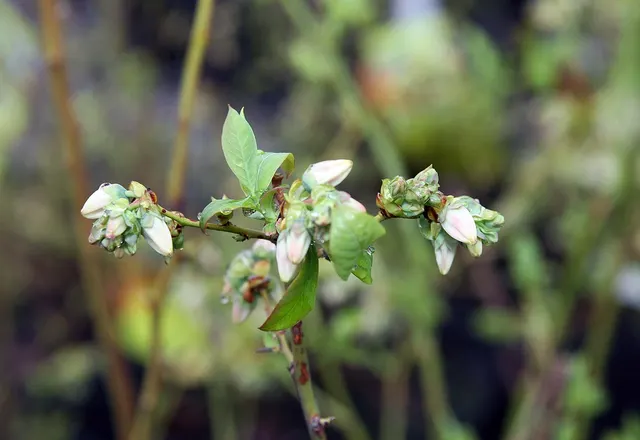
Bluecrop
A midseason staple
- USDA zones
- 4–8
- Height
- 4-6 ft
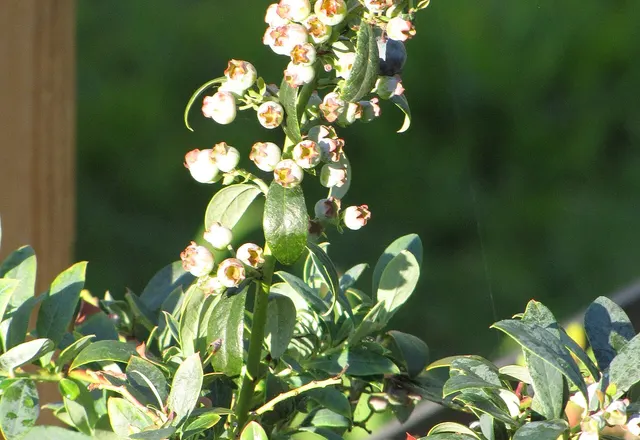
Sunshine Blue
A compact container option
- USDA zones
- 5–10
- Height
- 3-4 ft
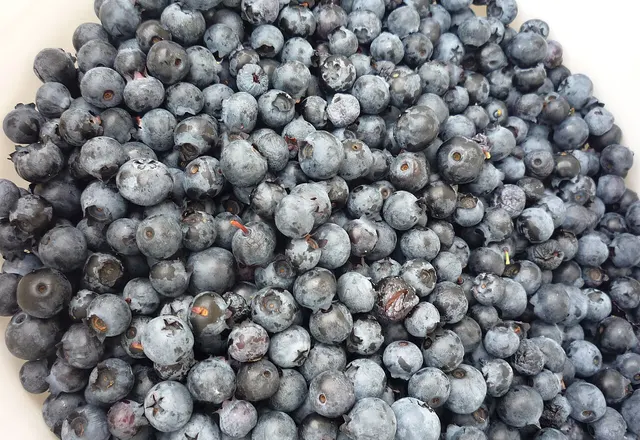
Northblue
A low-growing northern choice
- USDA zones
- 3–8
- Height
- 24-36 in (breeder)