Better fruit set / Field notes
Two plants. The right pairing.
The useful question is not “do I need two blueberries?” It is “which two can flower together and exchange compatible pollen here?”
Research-based guide · Original notes checked September 5, 2026
Planning reference reviewed September 6.
About the research and AI assistance
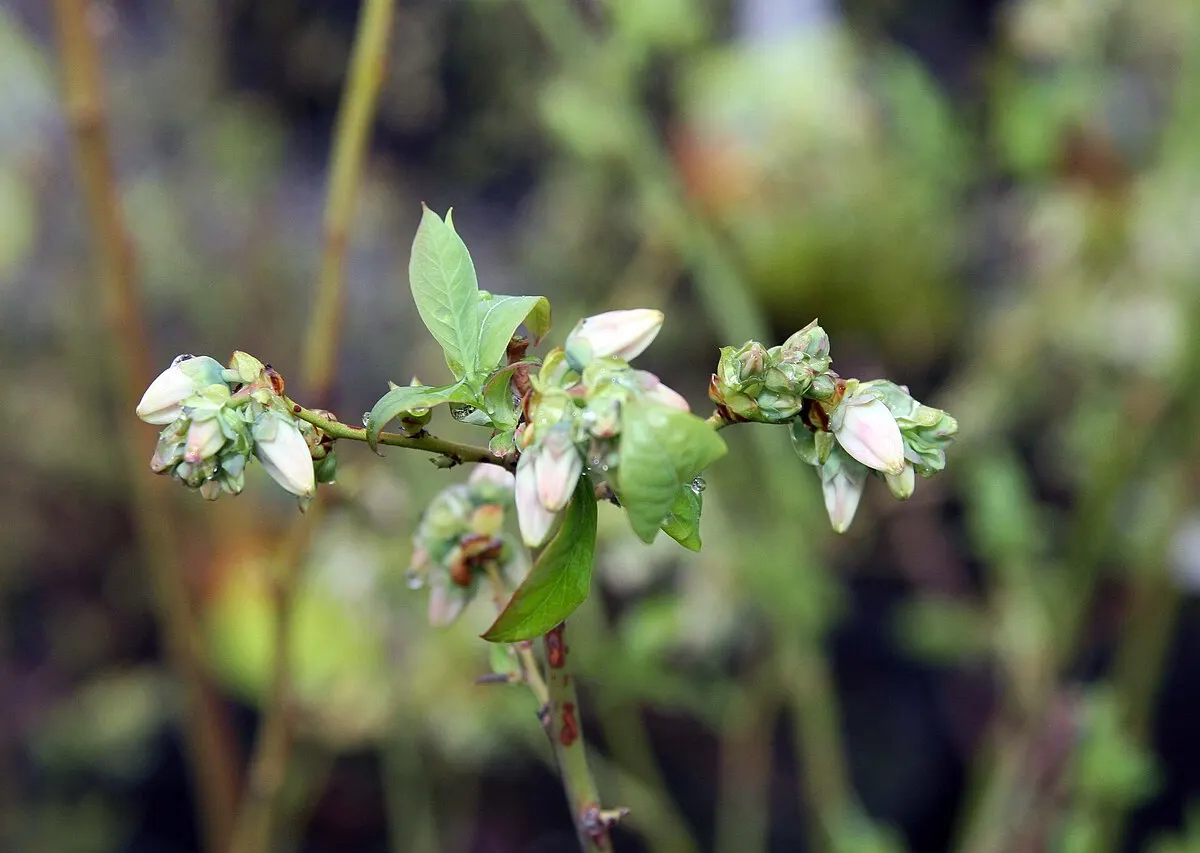
The planning reference
Start with the blueberry group.
Field guide / 2026
Source-led, region-aware
Swipe or scroll the table to see every column →
A practical route to the next question, not a compatibility calculator. Flowering overlap must be established for your location.
| Plant group | Starting point | What to verify |
|---|---|---|
| Northern / southern highbush | Often self-fertile; cross-pollination can improve cropping. Georgia Extension ↗ | Local recommendations for the exact cultivar and its companion. Do not infer compatibility from harvest labels. |
| Half-high | Northblue’s nursery names Northcountry as a companion. Named supplier pairing ↗ | Local bloom overlap and climate fit for both plants. Read their differences ↗ |
| Rabbiteye | Plan for more than one compatible cultivar. Georgia Extension ↗ | A locally available pollenizer. Tifblue’s checked nursery listing names Climax, but that listing is discontinued. Tifblue notes ↗ |
| Pink Lemonade hybrid | The breeder recommends a different rabbiteye cultivar. USDA breeder release ↗ | Both the pollenizer and frost suitability. A retailer’s self-fertile label does not settle the plan. |
Two plants of the same cultivar do not provide two different pollen sources. A compatible companion also needs pollinating insects to move pollen between flowers.
01
Self-fertile does not mean a companion is pointless
Georgia Extension distinguishes northern and southern highbush, which often set fruit on their own, from rabbiteye plantings where multiple varieties are especially important. It recommends cross-pollination to improve fruiting.
Keep two labels separate: a pollinator is the bee or other pollen-carrying agent; a pollenizer is the plant providing compatible pollen. Both matter, and a second plant does not replace pollinator activity.
02
Flowering overlap comes before harvest overlap
Two varieties can ripen at different times yet flower together. Conversely, similar picking dates do not establish compatible bloom. Our comparison tool is deliberately not a pollination certification tool.
Ask a nursery or local extension specialist about both exact cultivar names, your location and typical flowering dates. A pairing recommendation from another region is a lead to investigate, not a universal guarantee.
03
Pink Lemonade deserves a closer look
Retailer descriptions call Pink Lemonade self-fertile, but its USDA breeder release recommends another rabbiteye cultivar to ensure cross-pollination. The release also records irregular cropping after late spring frosts in New Jersey.
That is why our profile does not reduce this hybrid to a reassuring yes/no label. Have a compatible partner and local frost suitability checked before making it the center of a fruit-production plan.
Sources: USDA ARS: Pink Lemonade germplasm release ↗Stark Bro’s: Pink Lemonade blueberry ↗
04
Take this question to the nursery
“I am planting [cultivar] in [town and state]. Which different cultivar has compatible pollen and overlapping bloom here, and what local observations support that pairing?”
For a compact northern planting, Northblue’s nursery page specifically mentions Northcountry. Start with that sourced suggestion, then verify it locally.
Sources: Stark Bro’s: Northblue blueberry ↗
Use this guide locally.
These are planning notes, not a promise of performance. Follow the original sources for their full regional context, and check advice from your local extension service before planting.
How we choose and interpret sources ↗Put the reading to work
Explore the varieties.
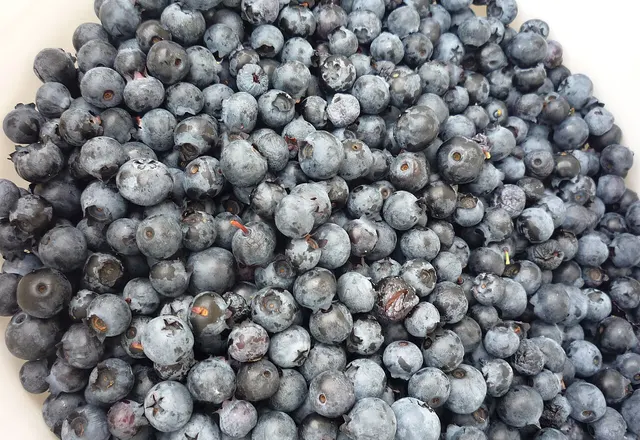
Northblue
A low-growing northern choice
- USDA zones
- 3–8
- Height
- 24-36 in (breeder)
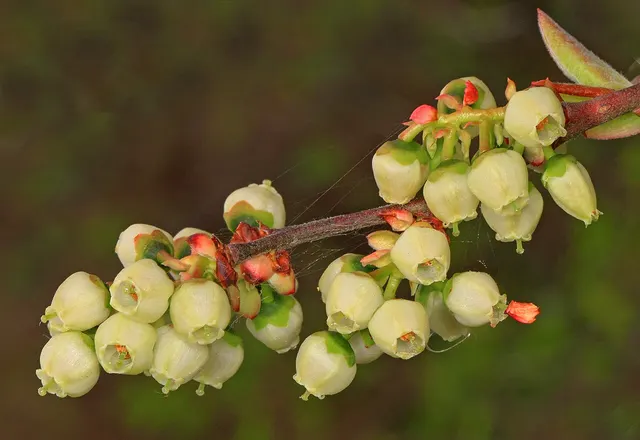
Northcountry
Small bush, smaller berries
- USDA zones
- 3–8
- Height
- 18-24 in (breeder)
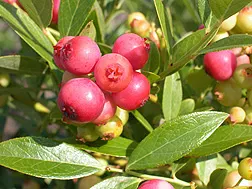
Pink Lemonade
A different kind of blueberry
- USDA zones
- 4–8
- Height
- 4-5 ft
Tifblue
Plan for a pollenizer
- USDA zones
- 7–9
- Height
- Not verified