The considered comparison
Northblue & Northcountry
Two low-growing northern options.
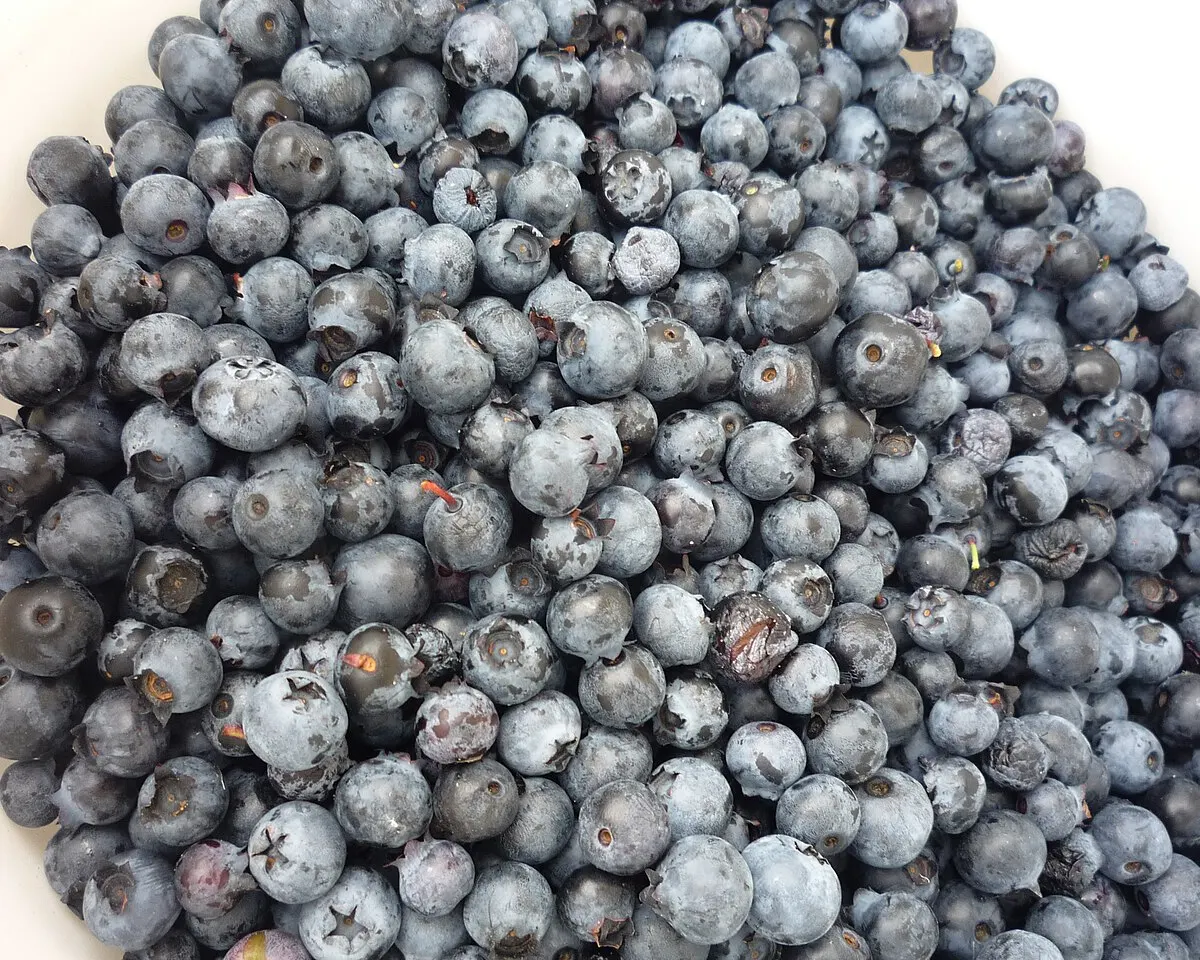
Northblue ↗
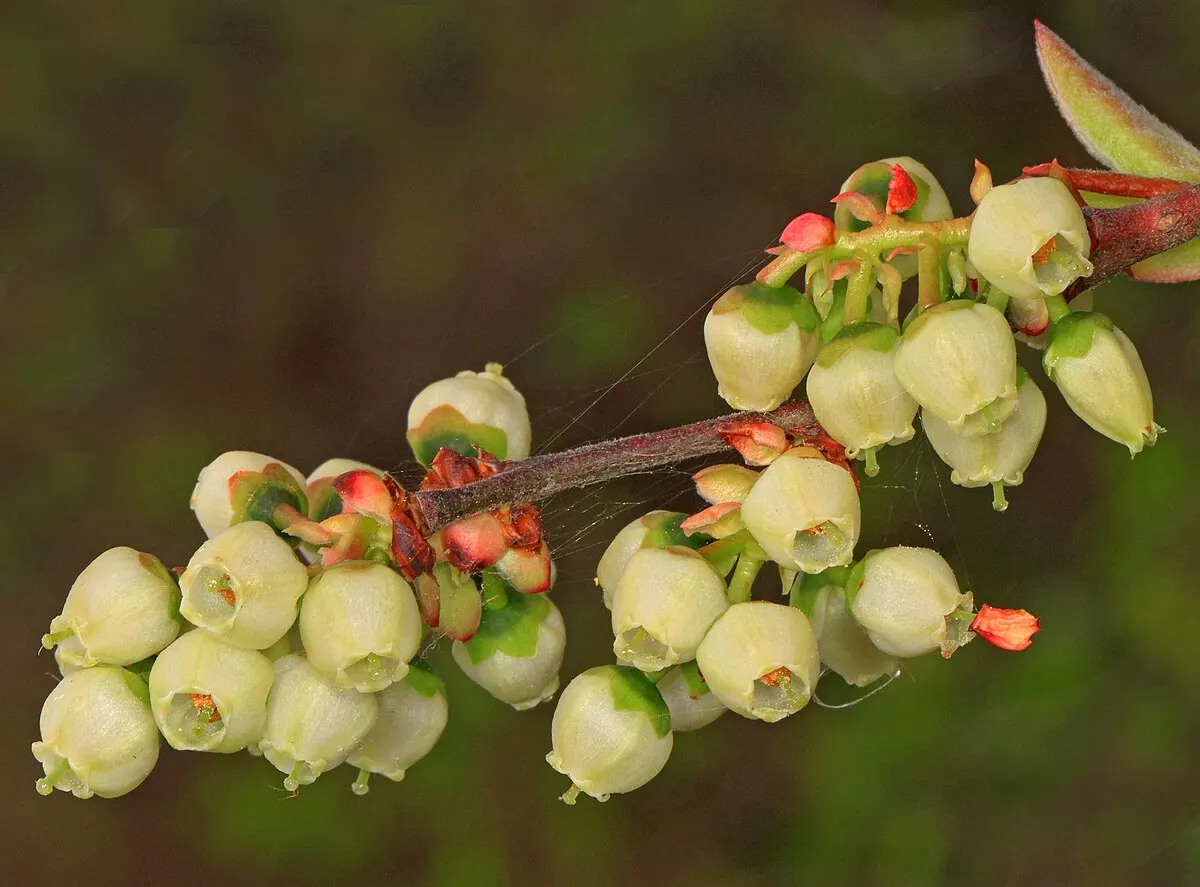
Northcountry ↗
The short answer
Two low-growing northern options.
Northcountry is the lower-growing choice in Minnesota’s breeder descriptions. Northblue is taller and potentially wider. The nursery’s matching size ranges miss this useful distinction.
Editorial interpretation of the linked specifications, not a firsthand head-to-head trial.
Consider Northblue when
A low-growing northern choice.
You have room for the larger breeder-listed footprint and want to investigate its larger fruit. Read the tart breeder description alongside the nursery’s sweet label.
Consider Northcountry when
Small bush, smaller berries.
The lower breeder-listed height matters more than larger berries, and you want a half-high plant described by its breeder as having wild-blueberry flavor.
The evidence behind the choice
What the specifications leave out.
Northblue
Where sources differ
The breeder describes a larger footprint
Minnesota lists Northblue at 24-36 inches tall and 30-40 inches wide, with large, tart fruit. Read the evidence ↗
- Height / spread
- Breeder reference ↗24-36 in / 30-40 inNursery specification ↗2-3 ft / 2-3 ft
- Flavor description
For your decision. Use these breeder dimensions when comparing it with Northcountry. The two are not identical-sized shrubs.
Minnesota half-high breeding program; original height, spread and flavor descriptions.
Northcountry
Where sources differ
A genuinely lower-growing alternative
Minnesota lists Northcountry at 18-24 inches tall and 24-36 inches wide, with wild-blueberry flavor. Read the evidence ↗
- Height / spread
- Breeder reference ↗18-24 in / 24-36 inNursery specification ↗2-3 ft / 2-3 ft
For your decision. Its lower breeder-listed height is a meaningful distinction from Northblue, not merely a different fruit-size label.
Minnesota half-high breeding program; original height, spread and flavor descriptions.
Independent research reviewed September 6, 2026. Source regions are part of the comparison.
| Growing detail | Northblue | Northcountry |
|---|---|---|
| Blueberry type | Half-highNorthblue source ↗ | Half-highNorthcountry source ↗ |
| USDA zones | 3-8 (supplier range)Northblue source ↗ | 3-8 (supplier range)Northcountry source ↗ |
| Mature height | 24-36 in (breeder)Northblue source ↗ | 18-24 in (breeder)Northcountry source ↗ |
| Mature spread | 30-40 in (breeder)Northblue source ↗ | 24-36 in (breeder)Northcountry source ↗ |
| Winter chill | 1,000-1,200 hours (supplier estimate)Northblue source ↗ | 1,000-1,200 hours (supplier estimate)Northcountry source ↗ |
| Harvest timing | MidseasonNorthblue source ↗ | Late June-early July listedNorthcountry source ↗ |
| Berry size | Medium-largeNorthblue source ↗ | Small-mediumNorthcountry source ↗ |
| Flavor description | Tart (breeder)Northblue source ↗ | Wild-blueberry flavor (breeder)Northcountry source ↗ |
| Container support | Yes, supplier-supportedNorthblue source ↗ | Yes, supplier-supportedNorthcountry source ↗ |
| Pollination | Self-fertile according to the supplier; a compatible second cultivar can improve cropping.Northblue source ↗ | Self-fertile according to the supplier; a compatible second cultivar can improve cropping.Northcountry source ↗ |
The tradeoff to keep in view.
Stark specifically describes these as companions, making this a more useful starting pairing than an arbitrary two-variety selection. Still, confirm local flowering overlap and site suitability. A supplier recommendation is not a trial in your own garden.
Before you choose.
Read both source listings, establish the local climate fit, and consider whether planting both is more useful than choosing only one.
Read the pollination guide ↗Research checked September 5, 2026. Sources and editorial approach.