The considered comparison
Sunshine Blue & Misty
A compact patio plant, or a taller shrub?
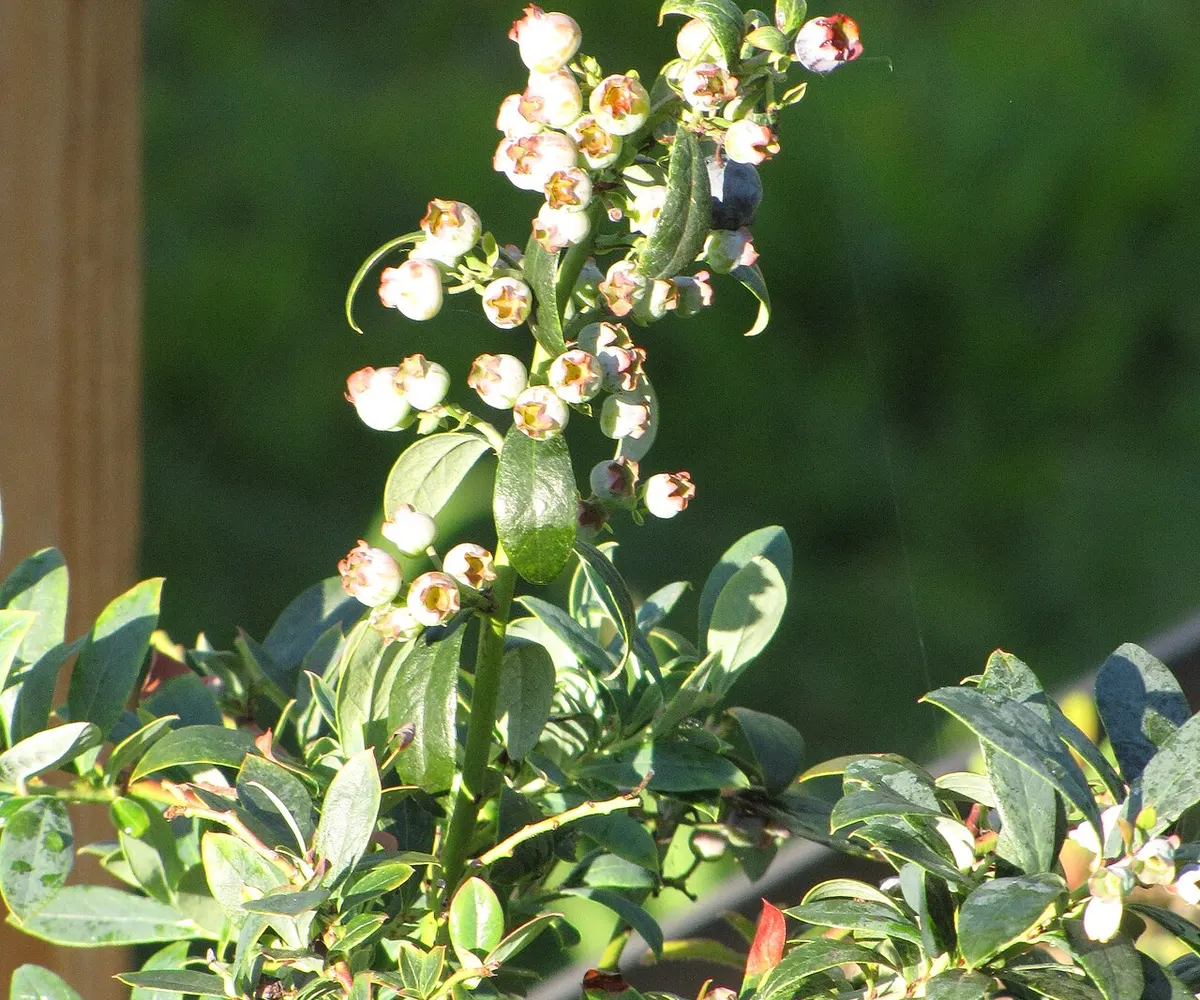
Sunshine Blue ↗
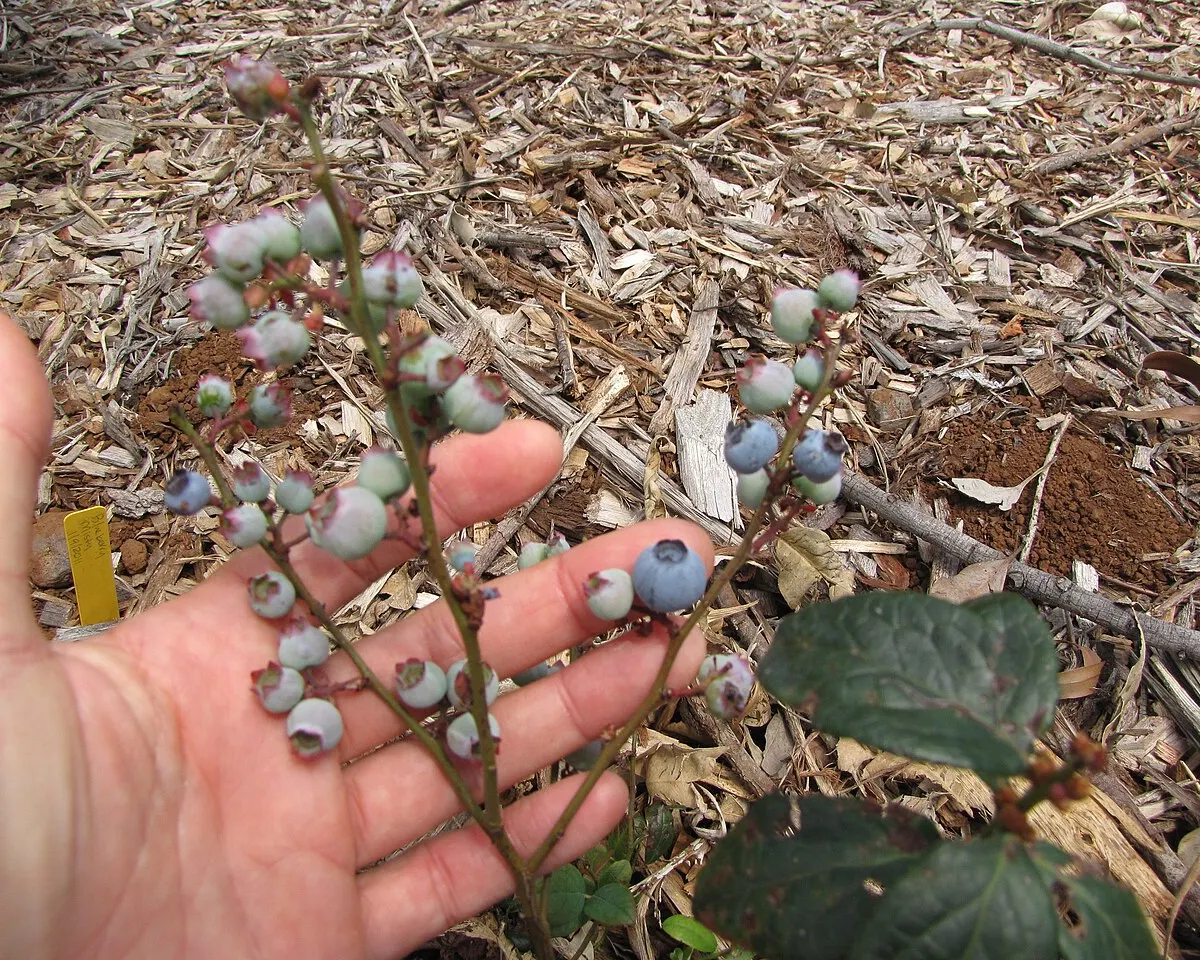
Misty ↗
The short answer
A compact patio plant, or a taller shrub?
The biggest practical difference is scale. Both have low nursery-listed chill estimates, but Sunshine Blue is substantially shorter than Misty.
Editorial interpretation of the linked specifications, not a firsthand head-to-head trial.
Consider Sunshine Blue when
A compact container option.
Space is limited and you want a variety with explicit supplier container support, subject to local climate suitability.
Consider Misty when
Low chill, taller growth.
A taller shrub fits the garden, and local advice supports Misty’s early flowering and fruiting behavior.
The evidence behind the choice
What the specifications leave out.
Sunshine Blue
Beyond the nursery listing
Compact still needs crop management
Santa Clara observers warn that Sunshine Blue can overbear, reducing berry size. Read the evidence ↗
For your decision. Small stature makes a plant easier to place, not maintenance-free. Include pruning in your patio plan.
Santa Clara County, California. Local observations, not a national performance or chill guarantee.
Misty
Beyond the nursery listing
A heavy crop is a care question
Santa Clara observations describe heavy early cropping and warn against overbearing. Read the evidence ↗
For your decision. Ask about local spring frost and crop management before choosing Misty on chill hours alone.
Santa Clara County, California. Local observations, not a national performance or chill guarantee.
Independent research reviewed September 6, 2026. Source regions are part of the comparison.
| Growing detail | Sunshine Blue | Misty |
|---|---|---|
| Blueberry type | Southern highbushSunshine Blue source ↗ | Southern highbushMisty source ↗ |
| USDA zones | 5-10 (supplier range)Sunshine Blue source ↗ | 5-10 (supplier range)Misty source ↗ |
| Mature height | 3-4 ftSunshine Blue source ↗ | 6-8 ftMisty source ↗ |
| Mature spread | 3-4 ftSunshine Blue source ↗ | 4-5 ftMisty source ↗ |
| Winter chill | 150-300 hours (supplier estimate)Sunshine Blue source ↗ | 300 hours (supplier estimate)Misty source ↗ |
| Harvest timing | Summer; June-July listedSunshine Blue source ↗ | EarlyMisty source ↗ |
| Berry size | MediumSunshine Blue source ↗ | Medium-largeMisty source ↗ |
| Flavor description | Sweet-tangySunshine Blue source ↗ | SweetMisty source ↗ |
| Container support | Yes, supplier-supportedSunshine Blue source ↗ | Not verified in this guideMisty source ↗ |
| Pollination | Self-fertile according to the supplier; ask about a locally suitable pollenizer.Sunshine Blue source ↗ | Self-fertile according to the supplier; a compatible second cultivar can improve cropping.Misty source ↗ |
The tradeoff to keep in view.
Low chill is not a frost-proofing feature. Choose both candidates for your actual winter and spring conditions before judging the footprint. The same zone filter can include plants with very different sizes and care implications.
Before you choose.
Compare mature dimensions against your available space and ask which plant has reliable local performance.
Read the pollination guide ↗Research checked September 5, 2026. Sources and editorial approach.