The considered comparison
Legacy & Bluecrop
Look at the climate, then the calendar.
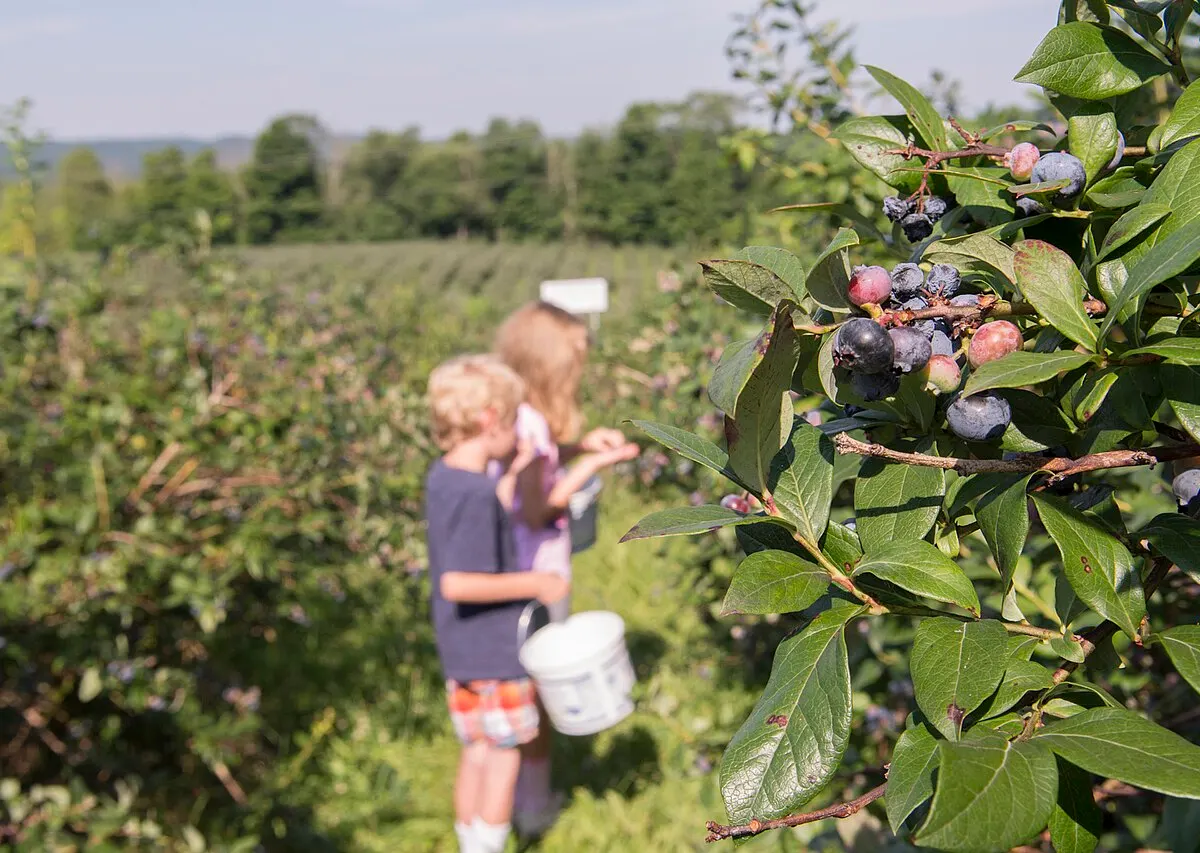
Legacy ↗
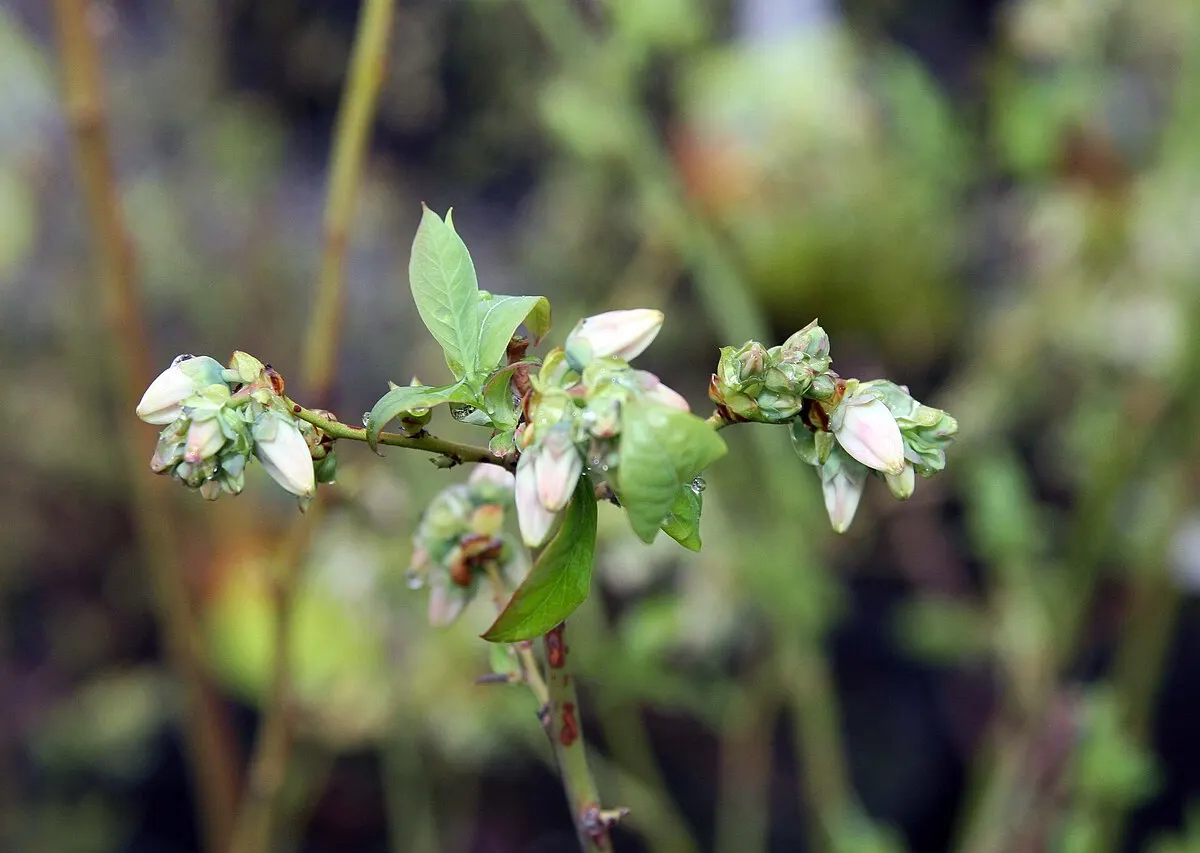
Bluecrop ↗
The short answer
Look at the climate, then the calendar.
Legacy needs a more careful local-climate check. Its hybrid background and regional cautions are reasons to investigate suitability before using flavor or season as the deciding factor.
Editorial interpretation of the linked specifications, not a firsthand head-to-head trial.
Consider Legacy when
A later-season option.
A local source supports Legacy for your site, and its later or longer season fits the harvest you want.
Consider Bluecrop when
A midseason staple.
You want to evaluate a midseason northern reference alongside the more region-sensitive Legacy choice.
The evidence behind the choice
What the specifications leave out.
Legacy
Beyond the nursery listing
A regional choice
OSU cautions against cold sites for Legacy, despite its potential west of the Cascades. Read the evidence ↗
For your decision. A broad nursery zone range is not enough. Look for evidence from a similar local site before ordering.
Pacific Northwest. Cultivar observations are not a nationwide growing guarantee.
Bluecrop
Beyond the nursery listing
Ripeness changes the comparison
OSU notes tartness when fruit is picked early or bushes overcrop. Read the evidence ↗
For your decision. A nursery flavor adjective cannot tell you how an overloaded bush will taste. Plan for pruning and fully ripe picking.
Pacific Northwest. Cultivar observations are not a nationwide growing guarantee.
Independent research reviewed September 6, 2026. Source regions are part of the comparison.
| Growing detail | Legacy | Bluecrop |
|---|---|---|
| Blueberry type | Northern / southern hybridLegacy source ↗ | Northern highbushBluecrop source ↗ |
| USDA zones | 5-8 (supplier range)Legacy source ↗ | 4-8 (supplier range)Bluecrop source ↗ |
| Mature height | 4-6 ftLegacy source ↗ | 4-6 ftBluecrop source ↗ |
| Mature spread | Not verifiedLegacy source ↗ | 3-4 ftBluecrop source ↗ |
| Winter chill | 800-1,000 hours (supplier estimate)Legacy source ↗ | 800-1,000 hours (supplier estimate)Bluecrop source ↗ |
| Harvest timing | LateLegacy source ↗ | MidseasonBluecrop source ↗ |
| Berry size | MediumLegacy source ↗ | LargeBluecrop source ↗ |
| Flavor description | Flavorful; no sweetness scoreLegacy source ↗ | Mild, sweetBluecrop source ↗ |
| Container support | Not verified in this guideLegacy source ↗ | Not verified in this guideBluecrop source ↗ |
| Pollination | Partially self-fertile according to Raintree; plan a compatible pollenizer.Legacy source ↗ | Self-fertile; a compatible second variety can improve the crop.Bluecrop source ↗ |
The tradeoff to keep in view.
Legacy has different type labels across sources, and its nursery reports partial self-fertility. Our profile preserves those caveats rather than treating one broad zone range as a universal answer. This pair is not a head-to-head taste trial.
Before you choose.
Read Legacy’s breeder and extension context, then ask a local nursery about performance and compatible pollenizers.
Read the pollination guide ↗Research checked September 5, 2026. Sources and editorial approach.