The considered comparison
Bluecrop & Chandler
Everyday versatility, or extra-large fruit?
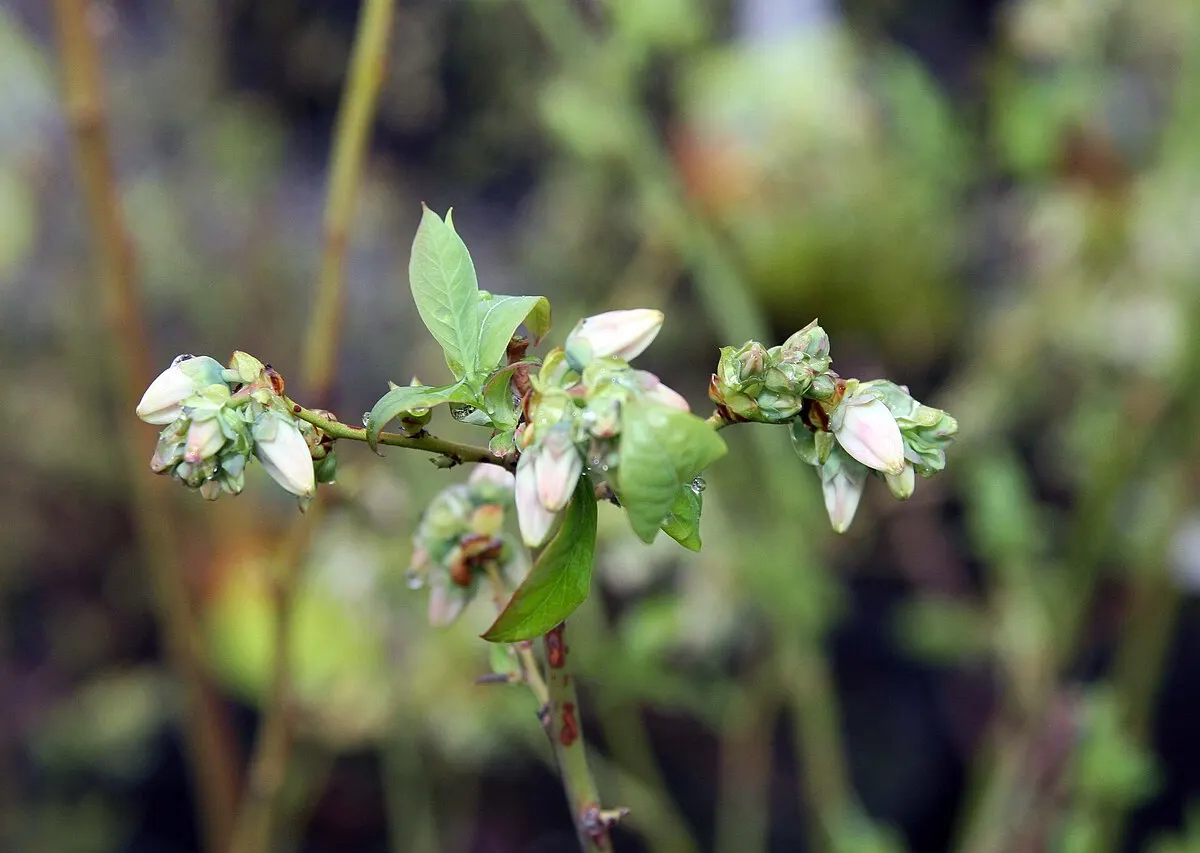
Bluecrop ↗
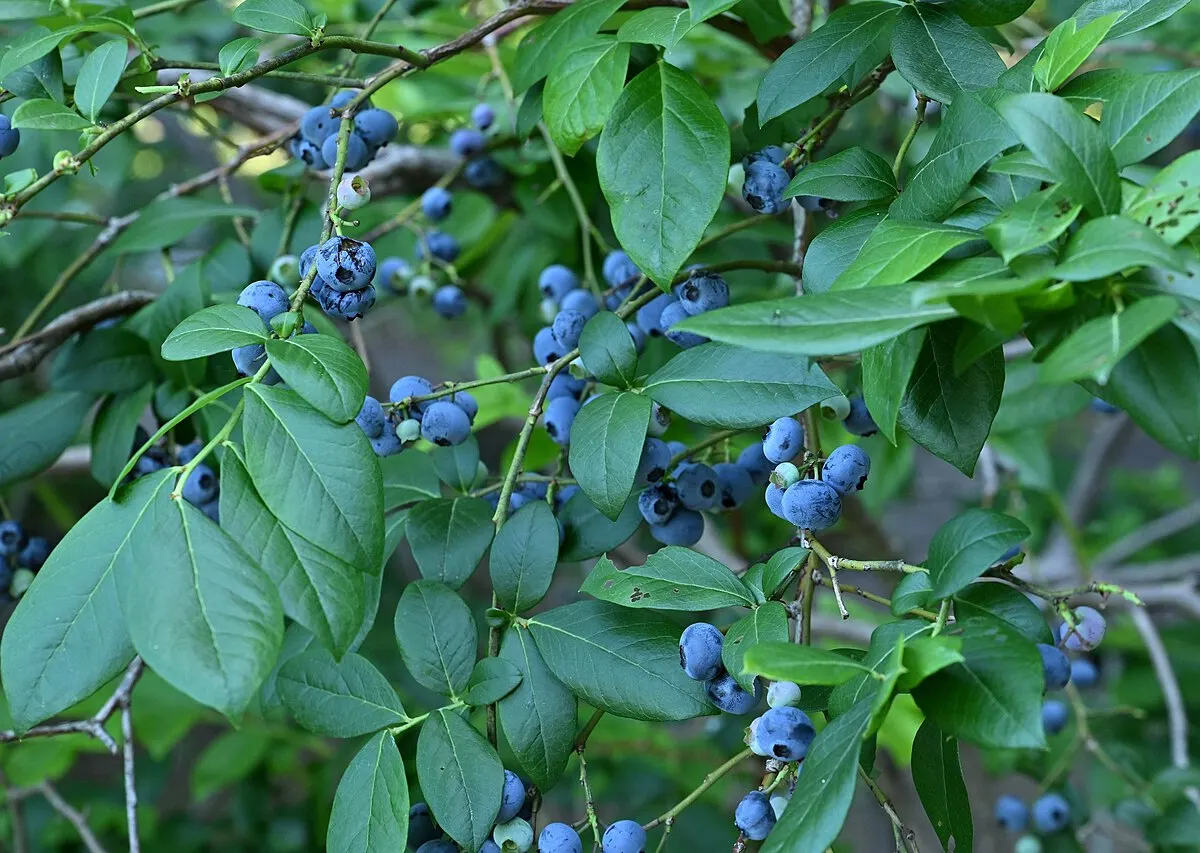
Chandler ↗
The short answer
Everyday versatility, or extra-large fruit?
Chandler is the one to investigate for extra-large berries and extended picking. Bluecrop offers a familiar midseason reference point with a narrower listed spread.
Editorial interpretation of the linked specifications, not a firsthand head-to-head trial.
Consider Bluecrop when
A midseason staple.
You want a large-fruited midseason bush and can manage crop load and pruning. The supplier’s 3–4 foot width fits your layout better.
Consider Chandler when
Extra-large berries.
Berry size is a priority and you can return for multiple pickings. You have room for the listed 4–5 foot spread.
The evidence behind the choice
What the specifications leave out.
Bluecrop
Beyond the nursery listing
Ripeness changes the comparison
OSU notes tartness when fruit is picked early or bushes overcrop. Read the evidence ↗
For your decision. A nursery flavor adjective cannot tell you how an overloaded bush will taste. Plan for pruning and fully ripe picking.
Pacific Northwest. Cultivar observations are not a nationwide growing guarantee.
Chandler
Beyond the nursery listing
Allow for repeat visits
OSU describes extended ripening and fruit size that varies with crop load. Read the evidence ↗
For your decision. Consider the time you have for picking, not only the largest berry in a photograph.
Pacific Northwest. Cultivar observations are not a nationwide growing guarantee.
Independent research reviewed September 6, 2026. Source regions are part of the comparison.
| Growing detail | Bluecrop | Chandler |
|---|---|---|
| Blueberry type | Northern highbushBluecrop source ↗ | Northern highbushChandler source ↗ |
| USDA zones | 4-8 (supplier range)Bluecrop source ↗ | 4-8 (supplier range)Chandler source ↗ |
| Mature height | 4-6 ftBluecrop source ↗ | 4-5 ftChandler source ↗ |
| Mature spread | 3-4 ftBluecrop source ↗ | 4-5 ftChandler source ↗ |
| Winter chill | 800-1,000 hours (supplier estimate)Bluecrop source ↗ | 800-1,000 hours (supplier estimate)Chandler source ↗ |
| Harvest timing | MidseasonBluecrop source ↗ | Mid-to-lateChandler source ↗ |
| Berry size | LargeBluecrop source ↗ | Extra largeChandler source ↗ |
| Flavor description | Mild, sweetBluecrop source ↗ | SweetChandler source ↗ |
| Container support | Not verified in this guideBluecrop source ↗ | Not verified in this guideChandler source ↗ |
| Pollination | Self-fertile; a compatible second variety can improve the crop.Bluecrop source ↗ | Self-fertile; a compatible second variety can improve the crop.Chandler source ↗ |
The tradeoff to keep in view.
“Extra large” is not a promise about every berry. The regional source notes that Chandler’s fruit size can vary with crop load. Choosing it for a single spectacular nursery photograph misses the pruning and harvest work behind that result.
Before you choose.
Measure the planting area, decide how often you want to pick, then check both cultivars against local growing advice.
Read the pollination guide ↗Research checked September 5, 2026. Sources and editorial approach.