Growing foundations / Field notes
Start below the surface.
The best cultivar cannot compensate for the wrong root environment. Check the soil before choosing the shrub.
Research-based guide · Original notes checked September 5, 2026
About the research and AI assistance
01
A soil test is the first purchase
Maryland Extension gives a soil pH range of 4.5–5.5 for blueberries and advises preparing pH adjustments well before planting. A laboratory soil test can provide a site-specific amendment recommendation.
Do not copy a sulfur quantity from someone else’s garden. The starting pH, soil characteristics and area being treated change the calculation. Ask the testing service to interpret the result for blueberries.
Sources: University of Maryland: Growing blueberries in a home garden ↗
02
Acidic and waterlogged are not the same thing
Blueberries need suitable acidity and drainage. Minnesota Extension describes loose, well-drained soil with organic matter; getting only the pH right does not solve a drainage problem.
Walk the site after rain. Note where water sits and take that observation with the soil result to your extension office. A site that needs major work may change your decision from in-ground planting to a purpose-built bed or container.
Sources: University of Minnesota: Growing blueberries in the home garden ↗
03
Do not turn leaf color into a one-step diagnosis
A yellow leaf is an observation, not a complete diagnosis. Record when the change appeared, whether it affects old or new growth, recent watering, and the actual test results. Then seek advice with photographs.
Our profiles identify documented cultivar concerns, such as Duke’s drainage sensitivity. They are a buying and planning reference, not a disease-identification service.
Sources: OSU Extension: Blueberry Cultivars for the Pacific Northwest ↗
04
Your pre-plant worksheet
- Soil-test date and laboratory recommendation.
- Current pH and intended planting area.
- Drainage observations after rainfall.
- Water access through dry spells.
- Bed preparation schedule before plant delivery.
- A container alternative if the existing soil is impractical.
Use this guide locally.
These are planning notes, not a promise of performance. Follow the original sources for their full regional context, and check advice from your local extension service before planting.
How we choose and interpret sources ↗Put the reading to work
Explore the varieties.
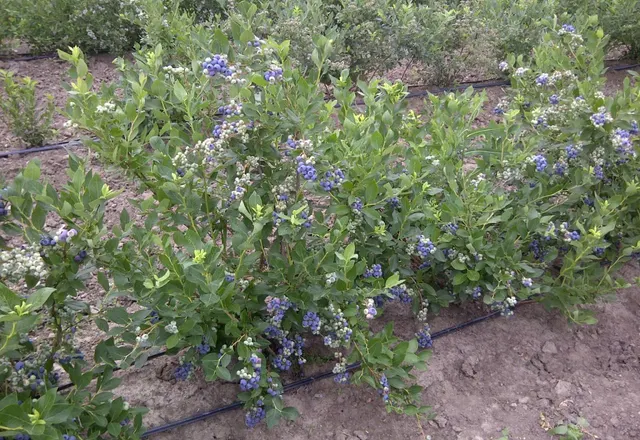
Duke
An earlier harvest
- USDA zones
- 4–7
- Height
- 4-6 ft
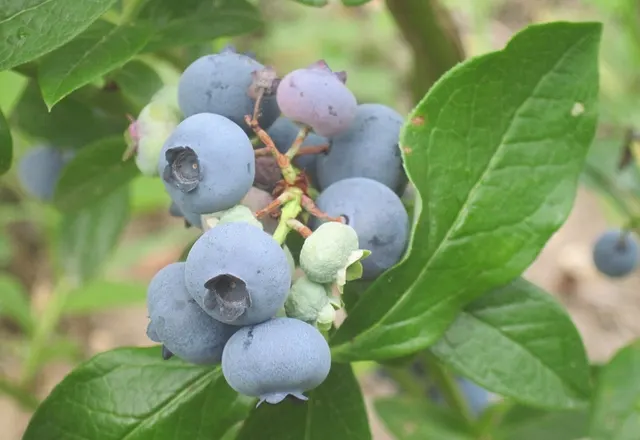
Patriot
Cold-climate, early fruit
- USDA zones
- 3–7
- Height
- 3-5 ft
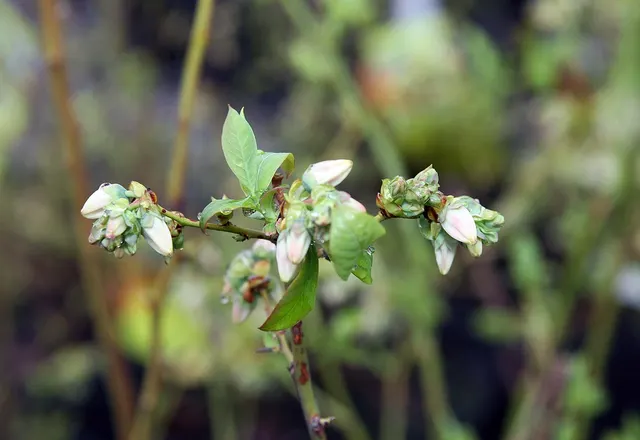
Bluecrop
A midseason staple
- USDA zones
- 4–8
- Height
- 4-6 ft
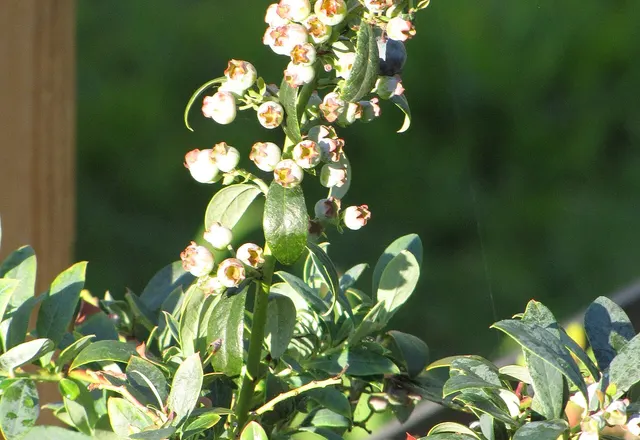
Sunshine Blue
A compact container option
- USDA zones
- 5–10
- Height
- 3-4 ft